By Ryan Skidmore
•
December 27, 2022
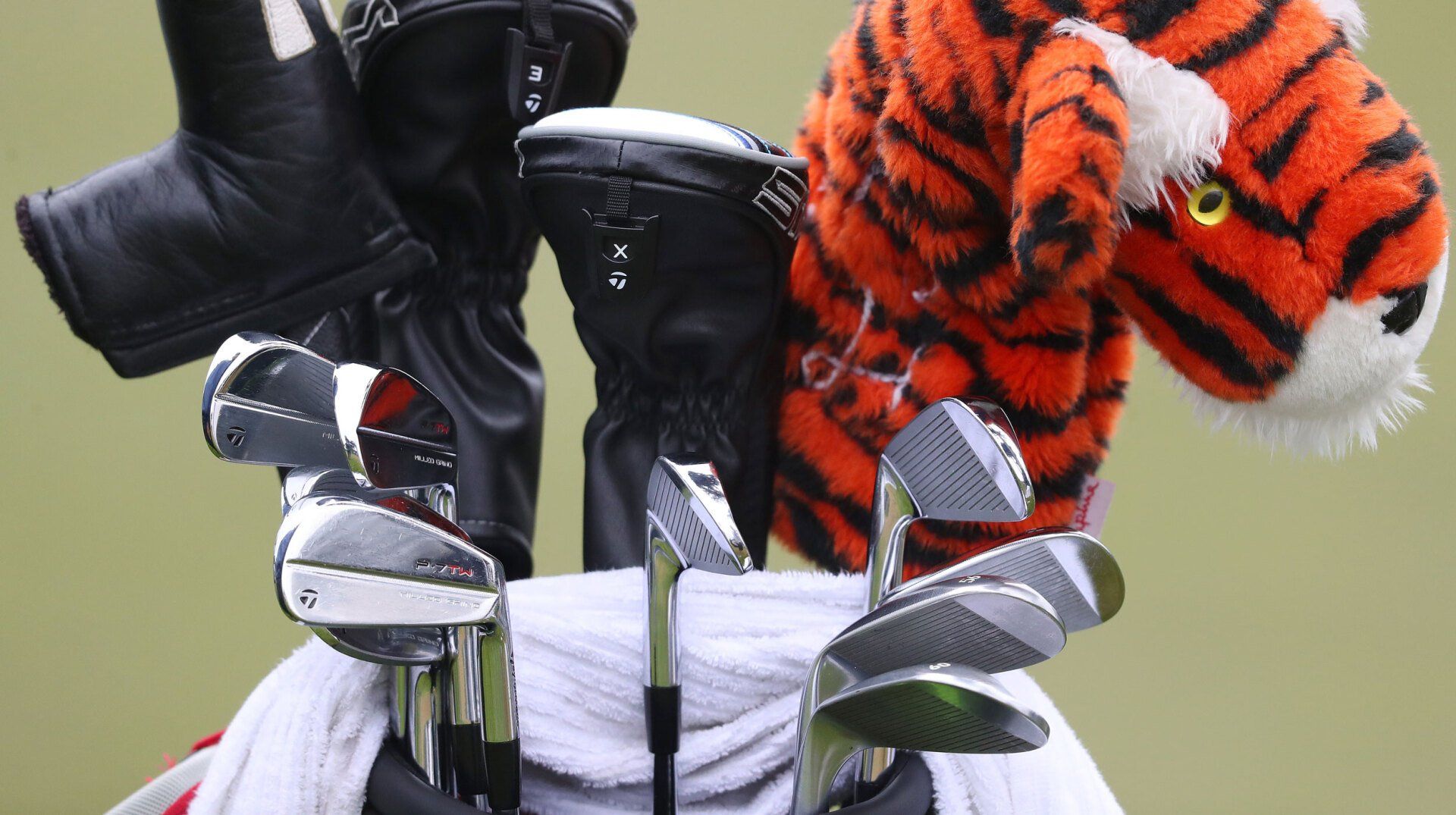
Selecting Golf Clubs For Your Handicap How do I choose the right golf clubs for my skill level? The first thing to consider when selecting golf clubs is your handicap. A handicap is a numerical measure of a golfer's potential ability and is used to determine the golfer's "par" for a particular course. Handicaps range from 0 (professional level) to over 36 (beginner level). If you are a beginner or have a high handicap, you will want to choose clubs that are more forgiving and easier to hit. On the other hand, if you have a low handicap, you will want clubs that are more precise and offer more control. What are the different types of golf clubs? Golf clubs are typically classified as woods, irons, wedges, and putters. Woods, also known as drivers, are used for long-distance shots off the tee. Irons are used for a variety of shots, including approach shots, chip shots, and bunker shots. Wedges are specialized irons designed for specific shots, such as high, soft shots from the rough or bunker, or for getting out of tight lies. Putters are used for strokes on the green to roll the ball into the hole. What factors should I consider when selecting a driver or woods? When selecting woods, you will want to consider factors such as the loft angle, the clubhead size, and the shaft flex. The loft angle determines the height and distance of the shot, with higher loft angles producing higher shots and lower loft angles producing lower shots. The clubhead size determines the size of the sweet spot, which is the area on the clubface where shots will be most accurate. Larger clubheads have larger sweet spots, making them more forgiving on off-center hits. The shaft flex determines the amount the shaft bends during the swing, with more flexible shafts producing higher shots and less flexible shafts producing lower shots. Which Clubs Should You Use? Golf is a sport that requires a high level of precision and skill, and one of the most important factors that can affect your performance on the course is the equipment you use. Choosing the right golf clubs is essential for players of all skill levels, and it can be a daunting task, especially if you are new to the game. Figure Out Your Handicap The first thing to consider when selecting golf clubs is your handicap. A handicap is a numerical measure of a golfer's potential ability and is used to determine the golfer's "par" for a particular course. Handicaps range from 0 (professional level) to over 36 (beginner level). If you are a beginner or have a high handicap, you will want to choose the best irons for high-handicaps that are more forgiving and easier to hit, like the Takomo 101 Irons . If you're a mid-handicap golfer, you'll find a blade style but a better launch angle so find the best irons for mid-handicaps . On the other hand, if you have a low handicap, you will want best low-handicap irons that are more precise and offer more control. Another factor to consider is the type of clubs you need. Golf clubs are typically classified as woods, irons, wedges, and putters. Woods, also known as drivers, are used for long-distance shots off the tee. Irons are used for a variety of shots, including approach shots, chip shots, and bunker shots. Wedges are specialized irons designed for specific shots, such as high, soft shots from the rough or bunker, or for getting out of tight lies. Putters are used for strokes on the green to roll the ball into the hole. Selecting Your Driver and Woods When selecting woods, you will want to consider factors such as the loft angle, the club head size, and the shaft flex. The loft angle determines the height and distance of the shot, with higher loft angles producing higher shots and lower loft angles producing lower shots. The club head size determines the size of the sweet spot, which is the area on the club face where shots will be most accurate. Larger club heads have larger sweet spots, making them more forgiving on off-center hits. The shaft flex determines the amount the shaft bends during the swing, with more flexible shafts producing higher shots and less flexible shafts producing lower shots. Irons are typically classified as either muscle-backs or cavity-backs. Muscle-back irons are designed for low handicap players and offer a more traditional look and feel. Cavity-back irons are designed for high handicap players and offer more forgiveness on off-center hits. Which Irons Do You Need? When selecting irons, you will want to consider factors such as the blade length, the club head size, the sole width, and the offset. The blade length determines the size of the sweet spot and the amount of forgiveness on off-center hits. The club head size determines the size of the sweet spot and the amount of forgiveness on off-center hits. The sole width determines the amount of turf interaction and the amount of forgiveness on off-center hits. The offset determines the amount the club face is set back from the leading edge and can affect the accuracy of the shot. Which Wedges Should You Use? Wedges are typically classified as lob wedges, sand wedges, and gap wedges. Lob wedges have the highest loft angle and are used for high, soft shots from the rough or bunker. Sand wedges have a slightly lower loft angle and are used for shots from bunkers. Gap wedges have a loft angle between that of a sand wedge and a pitching wedge and are used for approach shots. When selecting wedges, you will want to consider factors such as the loft angle, the clubhead size, and the bounce angle. The loft angle determines the height and distance of the shot, with higher loft angles producing higher shots and lower loft angles producing lower shots. The clubhead size determines the size of the sweet spot and the amount of forgiveness on off-center hits. The bounce angle determines the amount the clubhead lifts off the ground during the swing, with higher bounce angles producing more forgiveness on shots from the rough or bunkers and lower bounce angles producing more precision on shots from firmer lies. What Type of Putter Should You Be Using? Putters are typically classified as blade putters, mallet putters, and center-shafted putters. Blade putters have a traditional look and feel and are suitable for players with a smooth, consistent stroke. Mallet putters have a larger clubhead and are more forgiving on off-center hits. Center-shafted putters have the shaft positioned in the center of the clubhead, making them more stable and suitable for players with a straight-back, straight-through stroke. When selecting a putter, you will want to consider factors such as the length, the lie angle, and the head weight. The length should be suitable for your height and posture, the lie angle should be suitable for your stroke, and the head weight should be suitable for the speed of your stroke. Go Get Those Right Clubs Selecting the right golf clubs is essential for players of all skill levels. The type of clubs you choose will depend on your handicap, with more forgiving clubs suitable for beginners or high handicap players and more precise clubs suitable for low handicap players. You will also want to consider the specific characteristics of each type of club, such as the loft angle, club head size, shaft flex, blade length, and bounce angle. By considering these factors, you can choose the golf clubs that will best suit your game and help you play your best on the course.